1. Home
  2. Lessons
  3. Flute
Flute lessons · Metro Atlanta

A clear, focused tone starts with how you breathe.

Everything on the flute depends on breath and tone, so that's where lessons start. They can happen in your home, at your teacher's studio, or online, and they build toward whatever is next: band, orchestra, marching season or solo repertoire.

Ages 8 and up Home, studio or online Background-checked teachers
Flute
Who it's for

Flute lessons for every age.

Kids

Young flutists start by making a sound on the headjoint alone, then build posture and finger position on the full flute. Smaller children may use a curved headjoint so the flute fits their arms. Getting a clear tone is the hardest early step, so lessons make sure every small win gets noticed.

Lessons for kids

Teens

Band and orchestra flutists get help with tone, range, chair placements, and the scales and prepared music for GMEA District Honor Band and All-State auditions. Marching band students often switch to piccolo in the fall, and it has its own embouchure and tuning challenges.

Lessons for teens

Adults

Adults pick the flute back up after years away from band, or start fresh because they love the sound. The fingerings return quickly; the embouchure needs patient rebuilding, and a teacher speeds that up. From there it's your call, whether that means classical sonatas, Irish tunes or jazz.

Lessons for adults
What you'll learn

A clear path, at your pace.

Every student gets goals and a weekly practice plan. Here's roughly how flute lessons progress. Your teacher adjusts it to you.

Level 1

Getting started

  • Making a sound on the headjoint
  • Posture, hand position and a balanced flute hold
  • Breathing, long tones and a steady first octave
  • Reading music and simple melodies
Level 2

Building up

  • Second and third octaves and clean octave jumps
  • Scales, articulation and double tonguing
  • Vibrato and tone color
  • Honor band audition prep and piccolo for marching season
Level 3

Advanced & pro

  • Harmonics, whistle tones and advanced tone work
  • Standard repertoire: Bach, Mozart, Fauré, Poulenc
  • Orchestral excerpts and chamber music
  • All-State and college audition preparation

Styles we teach

ClassicalConcert bandOrchestralMarching band & piccoloJazz fluteLatinCelticPopWorshipChamber music
Your first lesson

What to expect.

Your teacher starts with the headjoint alone so you can find the angle and lip opening that make a clear sound, then puts the flute together and shows you the first notes. Beginners usually leave with three or four notes and a short daily tone routine. More experienced players get a careful listen and two or three specific things to change.

What you need

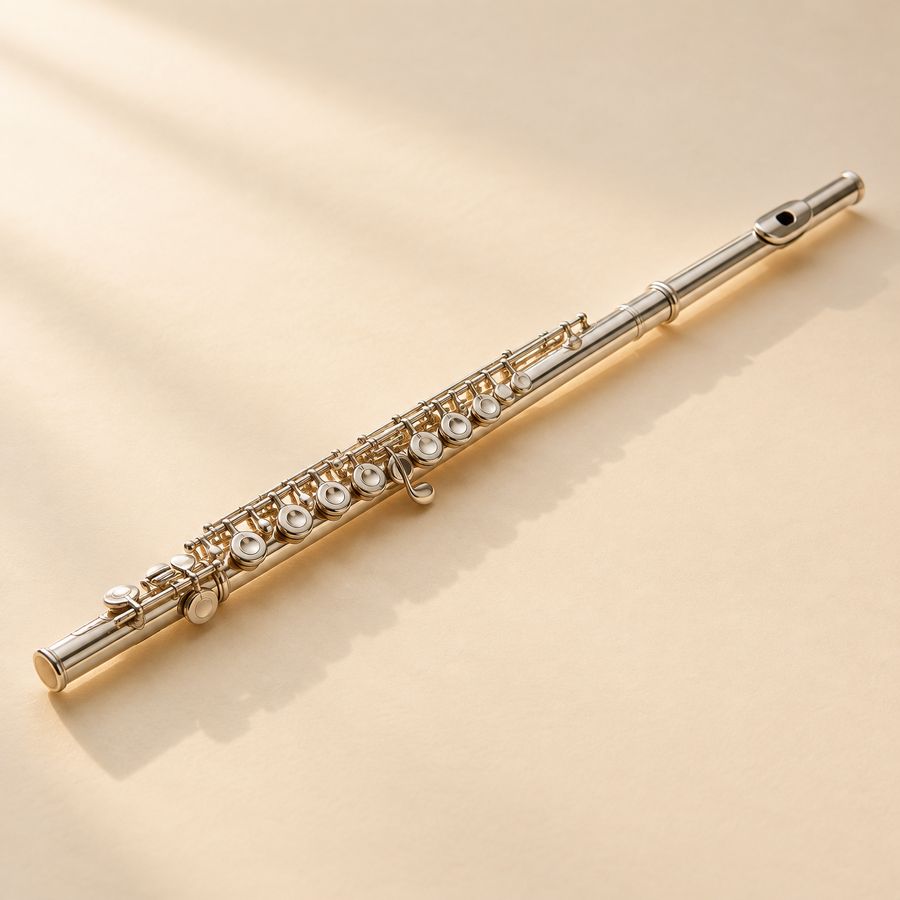
Rent or buy a student flute from a reputable brand through a music store; very cheap online flutes often have pad and mechanism problems that make clean notes nearly impossible. Closed-hole keys are common on beginner flutes. You'll also need a cleaning rod and cloth. Ask us before buying, and your teacher will check the instrument at the first lesson.

Love your first lesson, or your money back.

If the first lesson with your teacher isn't a great fit, tell us within 48 hours. We'll rematch you with a different teacher at no charge, or refund everything you've paid. Your choice. Your teacher still gets paid for their time; we cover it. That's how sure we are about who we send you.

Every flute teacher on our roster

  • Plays and teaches professionallyA working musician with real teaching experience.
  • Auditioned by Alex + an observed demo lessonWe see them teach before they teach you.
  • Background-checkedCriminal and sex-offender registry checks before a first lesson.
Three ways to learn

Your place, theirs, or online.

Pick what fits your week. You can change it any time, and many families mix all three.

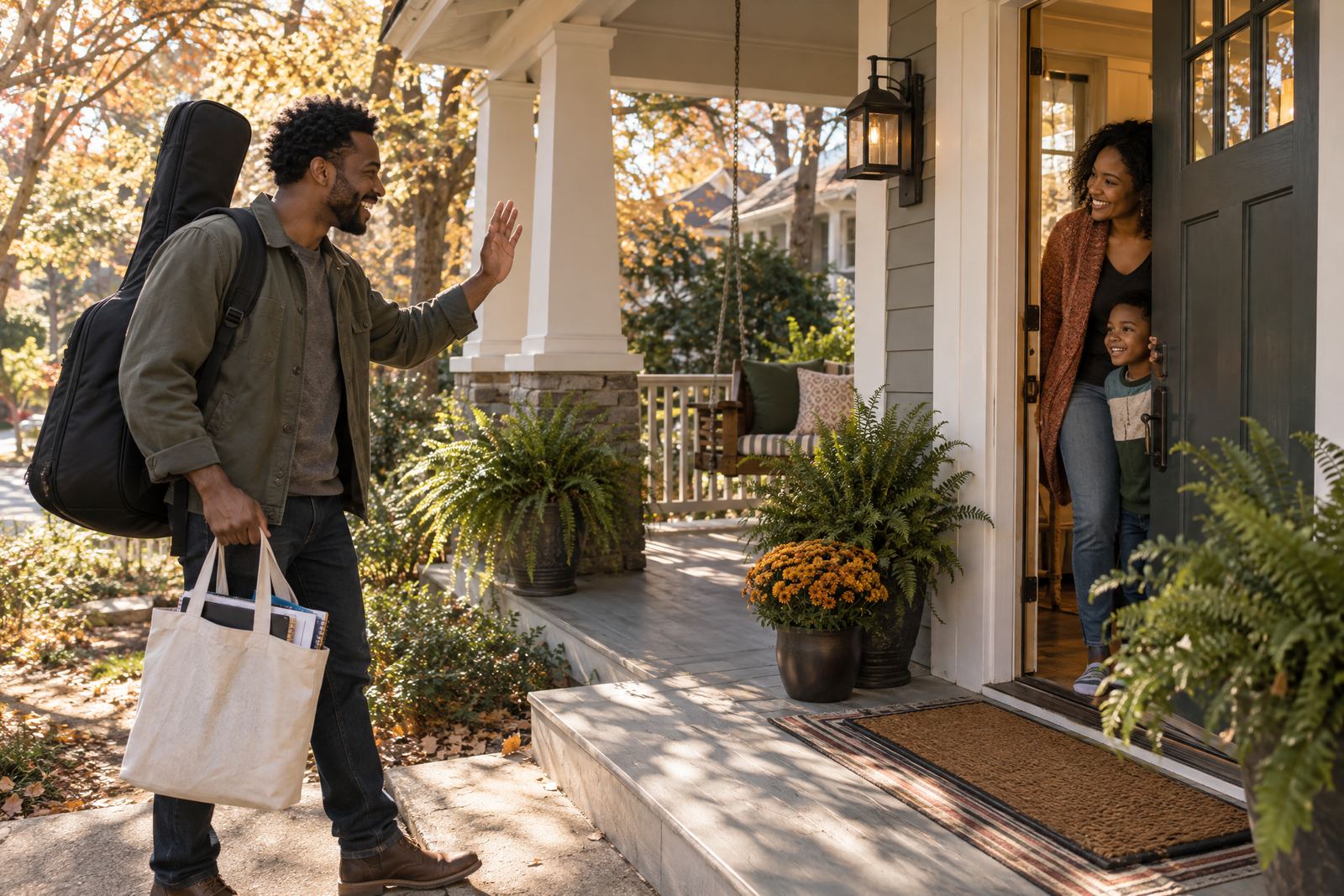
Music teacher arriving at a family's front door with a guitar case
Most popular

In your home

Your teacher comes to you, same day and time each week. No drive, no waiting room, no car-line shuffle. Kids learn on the instrument they actually practice on.

  • Perimeter, North Fulton & East Cobb now; Intown opening
  • A parent or guardian home for students under 18
  • From $55 per 30-minute lesson
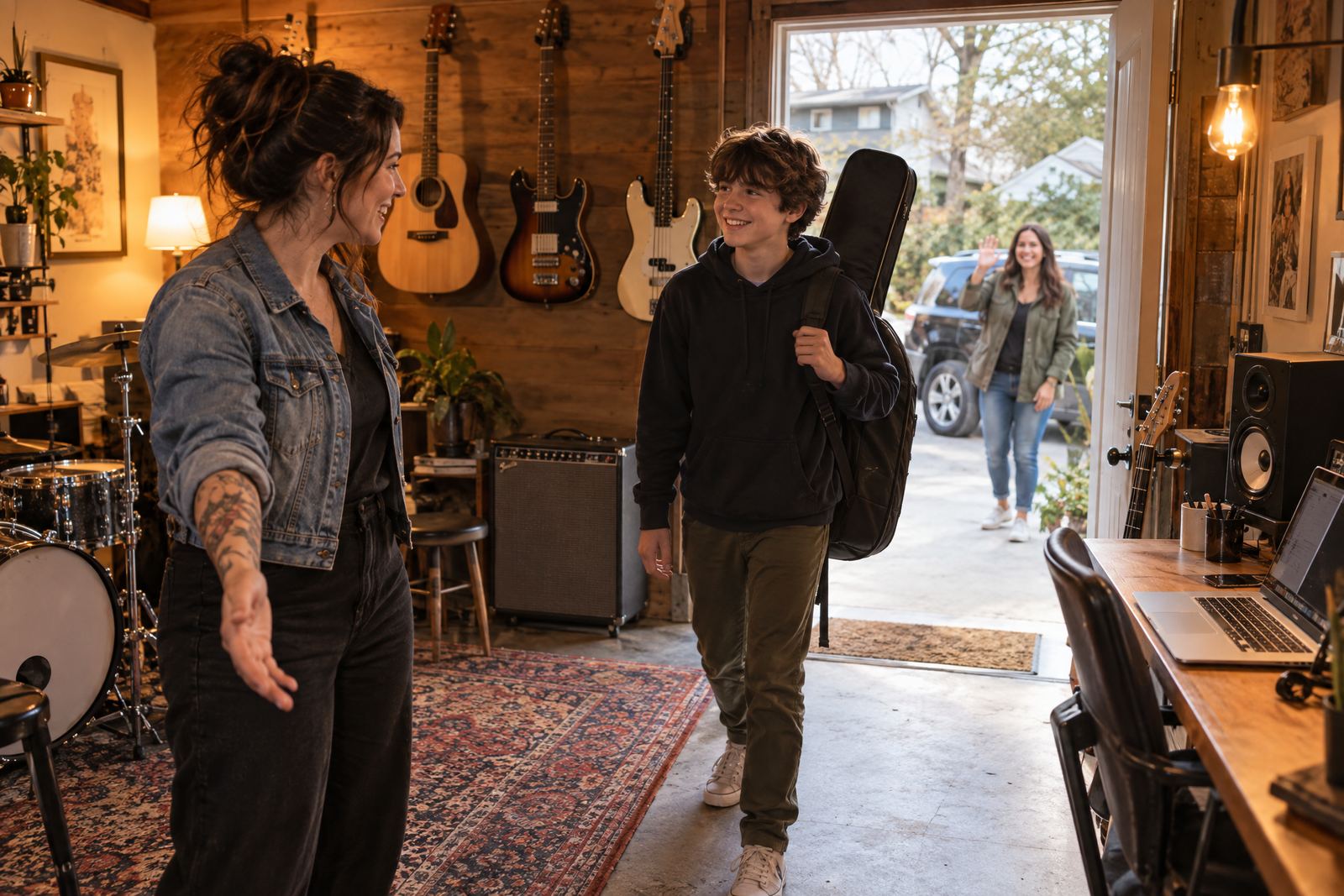
Student arriving at a teacher's home recording studio
Great value

At your teacher's studio

Learn in a real working musician's space: their instruments, their recording setup, a room built for music. A great fit for drums, advanced players and anyone who likes a change of scene.

  • Teacher studios across the metro, ITP and OTP
  • Pro gear and recording tools on hand
  • From $50 per 30-minute lesson
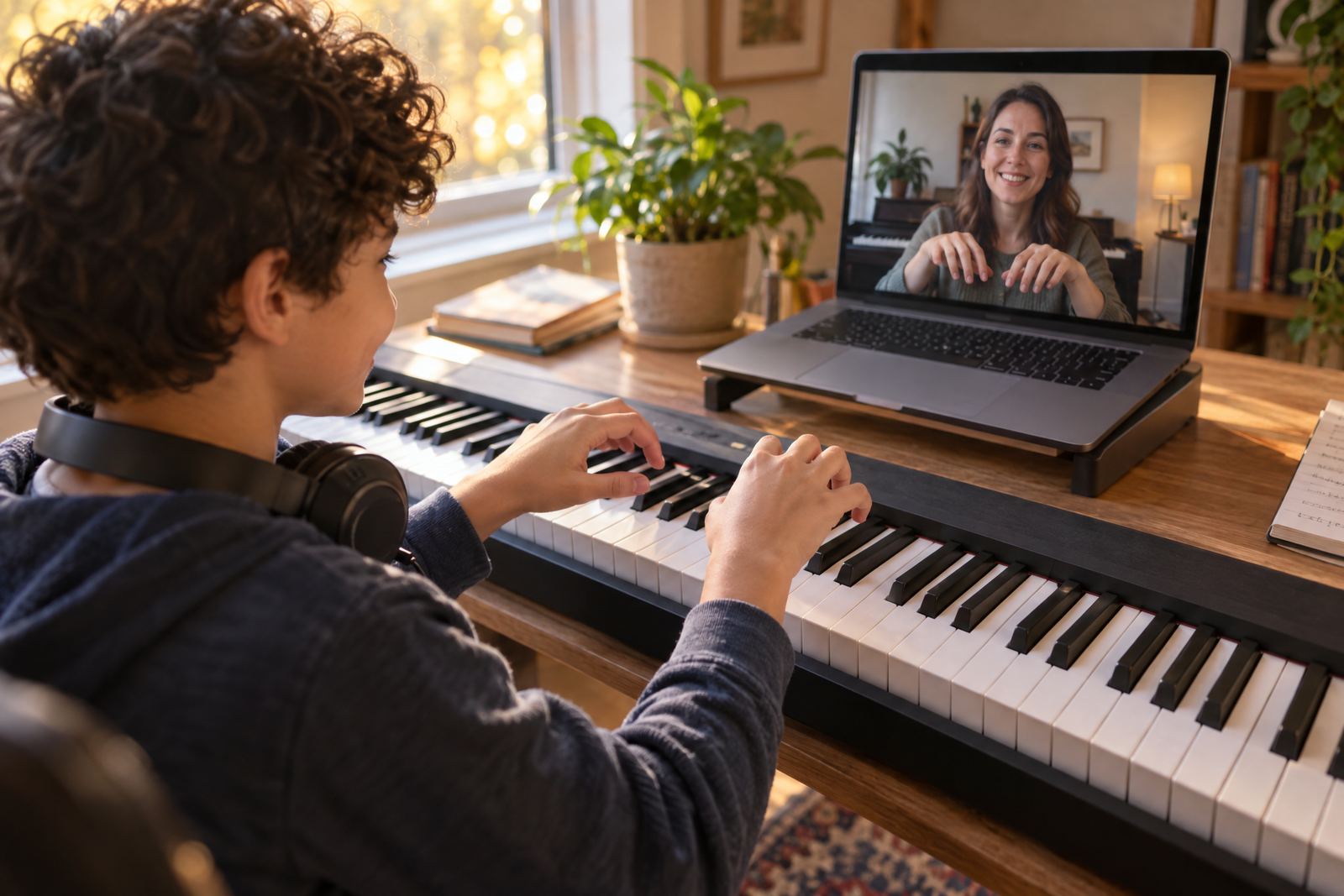
Boy taking a live online piano lesson on a laptop
Anywhere

Online, live

The same teacher, live on video. Perfect for busy weeks, travel, sick days and families outside our in-home area. Many students mix online with in-person.

  • Live one-on-one, never pre-recorded
  • Switch between online and in-person
  • From $45 per 30-minute lesson
Questions

Flute lesson questions.

Pairs well with

Why can't my child get a sound out of the flute?

It's the most common early hurdle. Flute tone depends on aiming a small, focused air stream across the embouchure hole, and finding it takes practice and good guidance. A teacher can see right away whether lip shape, angle or air speed is the problem and give specific fixes.

Does my child need to learn piccolo for marching band?

In many high school marching bands, flutists play piccolo. The fingerings are the same, but it needs a smaller, faster air stream and careful tuning. Your teacher can start piccolo work before band camp so the summer isn't a shock.

When should we upgrade to an open-hole flute?

Student flutes usually have closed keys, which are easier for young hands to cover. Open-hole flutes are standard for advanced players and allow certain techniques, and many students step up somewhere in high school. Your teacher will tell you when an upgrade actually makes a difference.

Can private lessons help with honor band and All-State auditions?

Yes. Your teacher can work through the required scales, the prepared music and sight-reading for GMEA District Honor Band and All-State, and run mock auditions so the real one feels familiar. Starting a few months ahead makes a big difference.

Is flute a good instrument for adults to start?

Yes. It's light, portable and gentler on neighbors than brass, and adults tend to progress steadily once the tone starts coming. Your teacher will keep the first weeks focused on sound so everything after feels rewarding.

Find your flute teacher.

Tell us who's learning and what they want to play. A coordinator will call within one business day with a teacher in mind.

Find my flute teacher